Kidz Dentistry Centreville, Virginia, United States
Abstract:
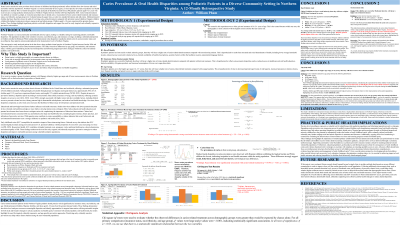
Purpose: To evaluate the distribution of caries-related treatments by age, race/ethnicity, and insurance status over 12 months in a large pediatric dental practice in Northern Virginia and compare local findings with national pediatric oral health trends.
Methods: A retrospective review was conducted of pediatric patients (ages 0–21+) seen between October 1, 2024, and September 30, 2025. Demographic variables included age group (0–5, 6–10, 11–15, 16–21+), race/ethnicity (White, Black, Hispanic, Asian), and insurance status (Medicaid or private). De-identified aggregate data were extracted from the Dentrix practice management system. Caries-related treatment was defined as restorative, endodontic or surgical procedures to treat dental caries. Descriptive statistics summarized treatment prevalence, and associations were evaluated using chi-square (χ²) tests and odds ratios (ORs) with 95% confidence intervals (P < .05).
Results: Of 2,966 patients, 466 (15%) received caries-related treatment. Medicaid-insured patients had significantly higher prevalence than privately insured patients (27% vs 10%) and more than threefold increased odds of treatment. Prevalence varied by race/ethnicity, highest among Hispanic patients (24%), followed by Asian (16%), Black (15%), and White patients (9%). Race/ethnicity was significantly associated with treatment (χ² ≈ 118.4, P < .001). Children aged 6–10 years had the highest prevalence and nearly six-fold increased odds compared with those aged 16–21 years (χ² ≈ 76.2, P < .001).
Conclusions: Disparities in caries-related treatment by insurance status, race/ethnicity, and age mirror national trends, highlighting the need for targeted preventive strategies for Medicaid-enrolled and Hispanic children in early and middle childhood.

.jpg)